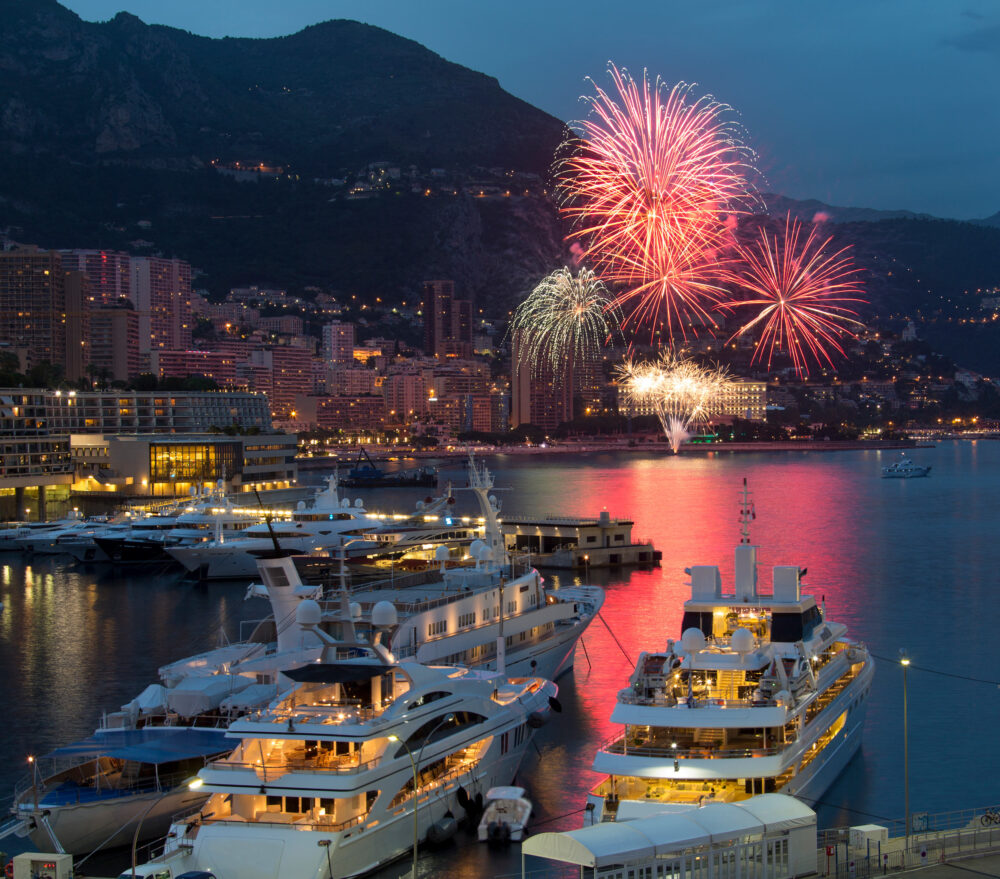
Let’s be honest: there is absolutely no better place to watch Uncle Sam blow up a massive budget of fireworks than from the deck of a yacht. This year is even bigger because America is hitting the quarter-millennium mark. That’s right, it’s the nation’s 250th birthday, and every single person with access to a floating piece of fiberglass is going to be out on the water.
But before you mix that first cocktail and cue up the playlist, we need to talk strategy. Historic crowds mean historic chaos.
What Is It?
An essential guide combining expert safety protocols from the Water Sports Foundation with practical style advice to help you navigate the massive crowds expected on the water this Independence Day.
Quick Answer
To safely enjoy the 4th of July on a yacht, you must plan ahead by inspecting your vessel, designating a completely sober skipper, mastering the art of the “raft-up” with proper anchoring, and navigating at slow, cautious speeds during the night fireworks.
The Dress Code: Mixing Comfort with Style
Before we get into the heavy mechanical and safety stuff, let’s talk about the most critical asset on deck: your outfit. You want to look like you own the boat (or at least look like you belong on it), but you also need to be practical.
Pro-Tip: Skip the pristine all-white linen pants unless you plan on sitting perfectly still all day.
If you want a look that says “I understand nautical fashion but I’m also here to party,” throw on a crisp linen shirt paired with camo shorts. Hear me out: wearing camo shorts could be a good contrast but also right on point for a patriotic holiday. It grounds the look, hides the inevitable barbecue sauce splash, and gives a subtle nod to the military vibe without you looking like you’re trying too hard in full red, white, and blue overalls.
Pre-Game Your Prep (Because Crowds are Coming)
According to our friends over at the Water Sports Foundation, waterfront venues across the country are bracing for absolute gridlock. Jim Emmons, the executive director of the foundation, pointed out that while dropping anchor and rafting up with friends is the ultimate way to make memories, you cannot forget the basics when the waterways turn into a bumper-car arena.
Here is what you need to handle before you even think about unmooring:
- Get a Check-Up: Call your local U.S. Coast Guard Auxiliary and get a free vessel safety check. It’s free compliance, so why wouldn’t you?
- Juice Up: Check your VHF radios, your phones, and your EPIRB/PLB transponders. Toss a few portable cellphone battery chargers in your bag because videoing fireworks drains batteries fast.
- The Kill Switch: By law, whoever is at the wheel has to engage the Emergency Cut-Off Switch (ECOS). If the captain takes an unexpected dive, that lanyard shuts the motor down instantly.
The Golden Rules: Float Plans and Sobriety
Look, I love a cold drink on a hot day as much as anyone, but the Water Sports Foundation is incredibly clear on this: Designate a sober skipper.
The data doesn’t lie here—alcohol use remains the leading known contributing factor in fatal boating incidents across the United States. Plus, marine law enforcement is going to be out in full force. They will be handing out incredibly expensive citations, and nothing ruins a holiday faster than a towed yacht and a court date.
Also, write down a quick float plan. Drop a text or email to someone staying on land detailing your boat’s registration, who is on board, where you’re going, and when you plan to be back. If things go sideways, someone on shore needs to know where to send the cavalry.
Mastering the Great American “Raft-Up”
Rafting up—tying multiple boats together in a massive floating island of fun—is a staple of the holiday. But if you do it wrong, you’re going to scratch someone’s pristine gel coat, or worse, cause a collision.
The pros at the Water Sports Foundation suggest this exact step-by-step method for a flawless setup:
- Slowing Down: As you approach the party zone, drop your speed down to idle.
- Assign Spotters: Put your friends to work. Designate observers to watch for other drifting boats, rogue swimmers, and stray kayakers.
- Heavy Weights First: The largest boat in the group needs to drop anchor first.
- Fenders Out: Extend fenders on both sides of the hulls to prevent fiberglass-on-fiberglass violence.
- Tie It Tight: Secure at least two dock lines to each boat’s cleats (bow or midship, and one at the stern).
Night Moves: Surviving the Fireworks
The grand finale is beautiful, but the mass exodus right after the last spark fades is pure chaos.
When the sun goes down, turn your running and anchor lights on. Use your GPS navigation because navigation markers that are obvious at noon completely vanish at 9:00 PM. Travel at much slower speeds, keep your distance from the fireworks barge, and assign a few crew members to act as extra night-lookouts.
Oh, and leave the pyrotechnics to the professionals. The Water Sports Foundation explicitly warns to never launch consumer fireworks or sparklers directly from your boat. Fiberglass and stray sparks are a terrible mix.
Be patient at the docks, keep your cool, and enjoy the historic view.